Common Short Story Mistakes: 8 Pitfalls That Weaken a Draft
Most weak short stories are not weak because the writer lacks talent. They are weak because of a handful of fixable habits: the engine starts too late, the reader never learns what winning or losing would mean, and the page keeps stopping to explain itself. The story underneath may be fine. The draft around it is doing damage.
What follows are eight of the most common problems editors and workshop readers flag in short fiction, paired with the revision moves that actually help. Read them as a checklist for the next pass, not a verdict.
Mistake 1: Opening Too Slowly
The first paragraph arrives with weather, traffic, a remembered grandmother, and a character waking up. None of it is bad writing. It is warm-up writing, and readers can smell it. A short story has very little room for warm-up; by the end of the first page the reader should have a person to follow, a situation with friction, and a reason to keep going.
The fastest fix is also the most painful: cut the first two or three paragraphs and read from there. If the story suddenly begins mid-tension, that is your real opening. Whatever background you removed can usually be dropped in later, in small pieces, exactly where it becomes relevant.
Mistake 2: Starting Before the Trouble
Closely related, and just as common: the story begins a day earlier than it needs to. The character has breakfast, takes the bus, arrives at the meeting where the actual trouble starts. Cut the commute. Begin in the room where something is at stake, or at least on the way there with the character rehearsing the argument.
Mistake 3: Unclear Stakes
Something happens in the story, but nothing is at risk. This does not mean the scene needs a fire; it means the reader needs a sense of what the character loses if things go wrong. Ask two questions of the draft: What does the character want badly enough to act? What happens if they do not get it? If you cannot answer in a sentence, the reader cannot feel tension.
Many drafts answer the questions in the writer's head and never on the page. A simple fix is to write the stakes into one concrete moment: a refused request, a deadline, a letter that has not been opened. Concrete beats abstract every time.
Mistake 4: Over-Explaining
Writers worry the reader will miss something, so they explain the feeling, then the reason for the feeling, then the reason for the reason. The result reads less like a story and more like a tour.
Compare two versions of the same line. Weak: "She was estranged from her father, which had left a deep wound, and the sight of his handwriting made her anxious." Stronger: "She recognised the handwriting and put the envelope face down without opening it." The second trusts the reader to connect the gesture to a history.
One way to diagnose the problem is to look for paragraphs that explain something you have already shown. Often the explanation sits right after a scene, as if the story needs to clarify what the scene was doing. Cut those paragraphs and see whether the scene still works. It usually does.
A second technique is to flip the old advice: rather than placing backstory at the beginning, put it in the present. If the backstory is so important that it needs to be explained, find a version of it that can happen now, in a scene the character has to deal with.
Mistake 5: Summarising Instead of Showing
Some drafts are mostly summary. The reader is told that a marriage was unhappy, that an argument happened, that the protagonist cried on the way home. All of that can be true and still feel flat. Summarising is efficient, but in short fiction the important moments need to be rendered, not reported.
A useful revision test: identify the three or four moments that change how the reader understands the character. Those belong in real time, with dialogue, sensory detail, and room to be awkward. Everything else can stay summarised.
- Is it a turning point? Render it in real time.
- Is it background? Summarise it in a sentence and move on.
- Is it a scene the character would remember? Treat it like one.
One more trick: if a summary passage keeps growing longer and more interesting, it wants to be a scene. Let it.
Mistake 6: Flat Dialogue
Weak dialogue has two signatures. First, everyone says exactly what they mean: "I am upset because you forgot our anniversary." Second, every exchange is a polite shuttle of information: how the day was, whether the shop had the right thing, what the office schedule looks like. Both drain tension.
Real conversation is shaped by what people avoid. Give each character a goal and something they will not say. Cut the greeting, cut the small talk, start the conversation in the middle and let its edges stay jagged. If a character answers a question with a question, the reader leans in.
Consider the difference between "I'm fine" said calmly and "I'm fine" said while checking the same message twice. Same line, more information. If a line sounds too smooth and complete, cut the last few words.
Mistake 7: Floating at the Wrong Distance
A draft can stay so far from the character that the reader observes rather than experiences the story. Beginning a scene with a summary of the weather, then listing what the room contained, then reporting what the character felt, keeps the reader outside. The alternative is to move through the scene through the character's mind, noticing what they would notice and not more.
A simple revision test is to look at the first line of every scene and ask whose eyes the sentence is looking through. If the answer is "a camera," rewrite the line so that the character's attention is doing the work.
Too little information can be a problem here too. Some writers hold back a secret for so long that the page stops generating suspense and starts creating distance. Withholding works only when the reader knows the character is hiding something. Give a hint, let the reader feel the weight, and reveal it at the moment it changes what the character can do.
Mistake 8: Weak Endings
Two opposite failures dominate here. The draft stops too early, snapping shut the instant the protagonist makes a decision or leaves the room. Or it keeps explaining after the story has clearly ended, adding a final paragraph that interprets the whole thing so the reader cannot miss the point.
Read the last two paragraphs aloud. If the story would end more sharply without the final one, cut it. If the final sentence explains what the story meant, replace it with something the character does, notices, or refuses to do.
Mistake 8b: Confusing Time
Short stories often jump across weeks or years without giving the reader a way to track the passage of time. Clear transitions between scenes, and a concrete detail that anchors each one, keep the reader oriented. If a passage of time does not change anything for the character, cut it and jump straight ahead.
A Practical Revision Checklist
Try this sequence on the next pass:
- Write one sentence: what does the protagonist want, and what is at stake? If the draft does not answer both, fix that first.
- Read page one and mark where the real tension begins. Start there, or close to it.
- Find every block of explanation and backstory. Keep only the lines that change what the character can do next.
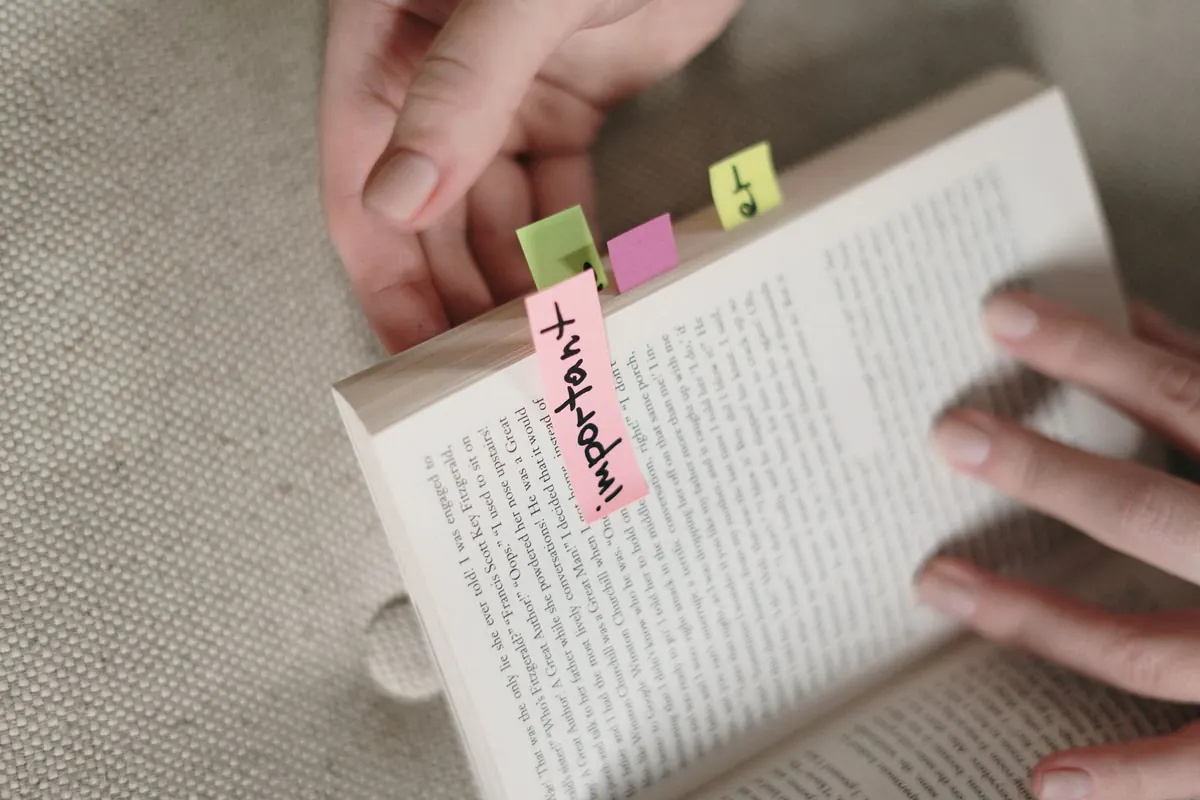
- Highlight the three or four turns that matter. Make sure each one is a scene, not a summary.
- Read the dialogue aloud. Cut anything that sounds like an essay or a formal meeting.
- Look at the final scene. Does it deliver a change, a cost, or a choice, without explaining it?
None of these fixes requires a new story; every one of them is a single pass over the story you already have. Pick the two or three mistakes you noticed most and work through them in order. A draft that starts at the right moment, knows what it is risking, and trusts its reader to keep up is already doing the hard work that short stories ask for.
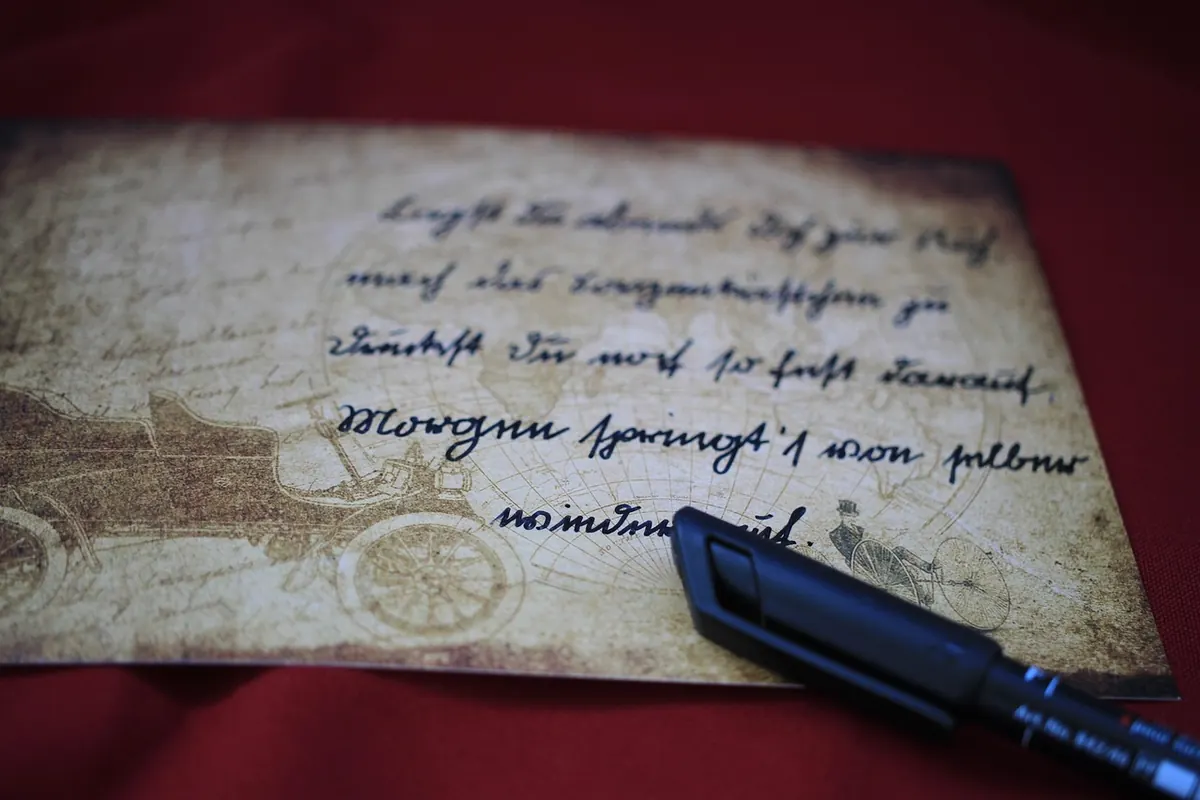
Photo: Carola68 / Pixabay

You Might Also Like
A practical guide to turning an ordinary walk through your hometown into a short story, from noticing the right details to shaping a setting that does half the work.
Thirty autumn story prompts built around change, harvest, memory and eerie transitions, plus practical notes on turning a single line into a finished first draft.